About All Tours From San Juan Toursand Luquillo Beach ToursHalf Day ToursZipline ToursWaterslide ToursPrivate ToursWaterfall ToursHiking ToursTours with Transportationand Bio Bay Tours Directions Hours & Fees
Find Tours 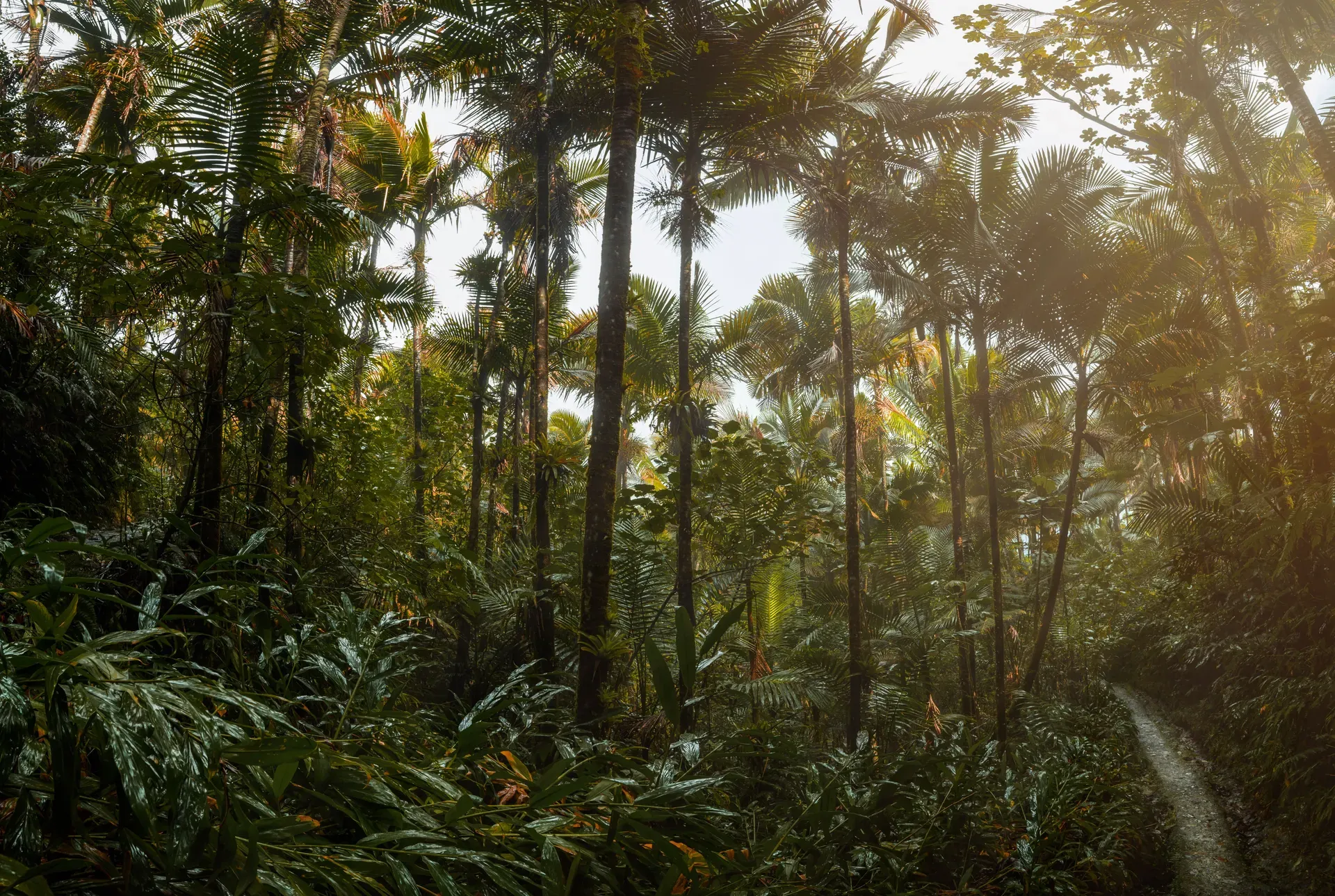
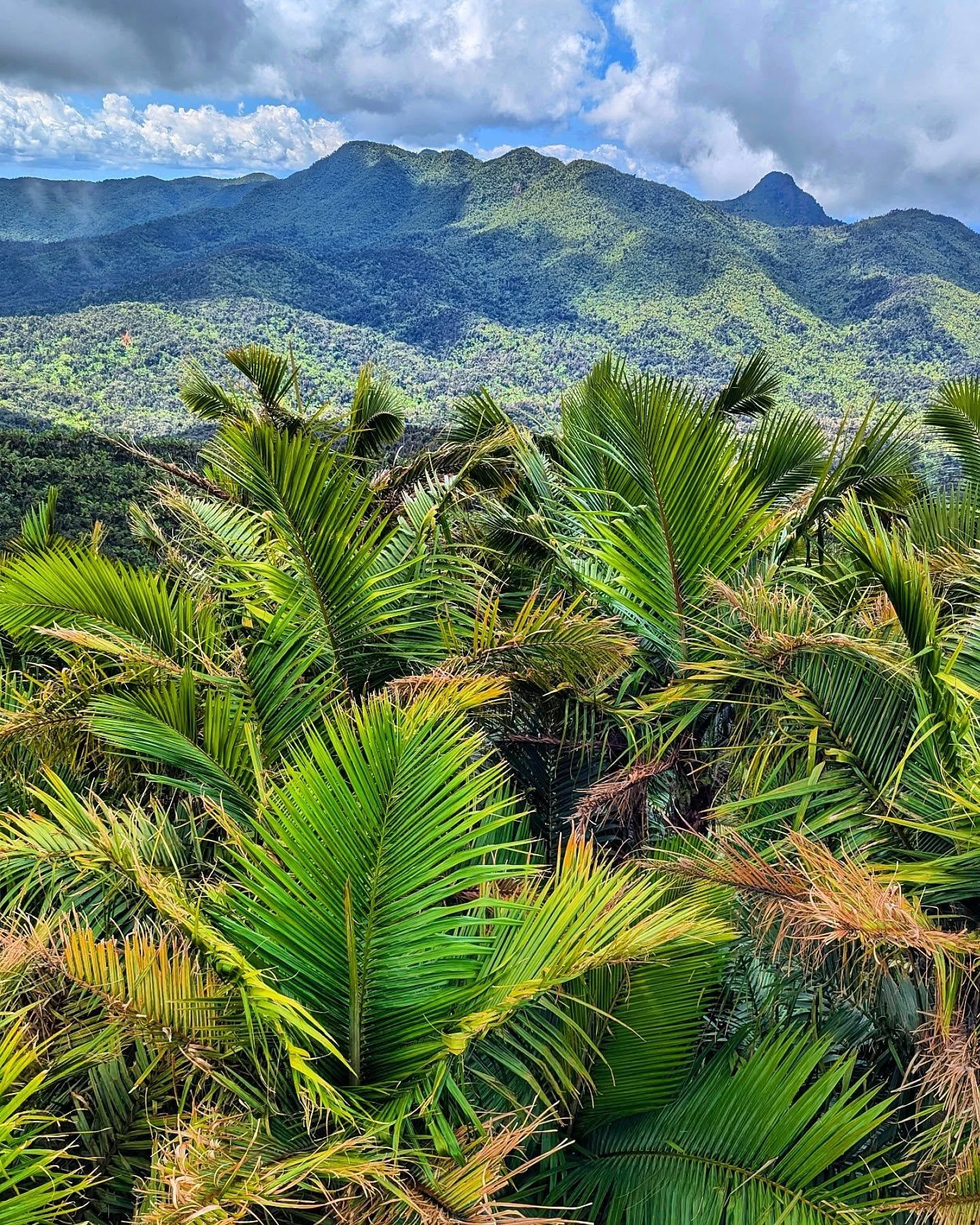
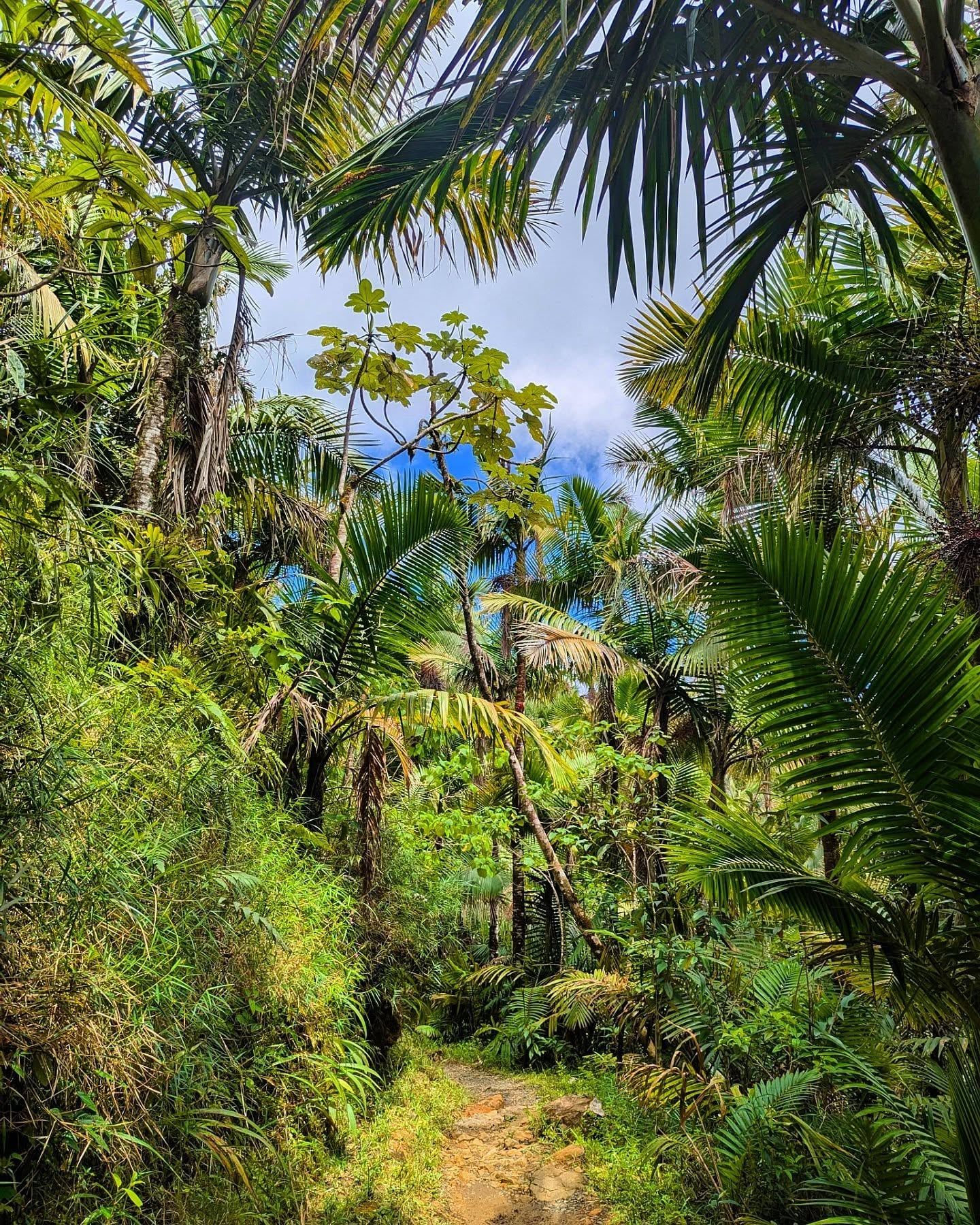
Covering 28,434 acres across the Sierra de Luquillo mountains, El Yunque National Forest stands as the only tropical rainforest in the U.S. National Forest System. Visitors can hike mountain trails surrounded by 240 tree species, swim in the clear pools below Juan Diego Falls, and climb the stone Yokahú Observation Tower for coastal views.
Find Guided ToursEl Yunque National Forest covers 28,434 acres of rugged, mountainous terrain in northeastern Puerto Rico. As the only tropical rainforest in the United States National Forest System, it serves as a critical ecological sanctuary managed by the U.S. Forest Service. The landscape spans the Sierra de Luquillo mountains, rising sharply from coastal plains to the 1,065-meter summit of El Toro. Receiving over 100 inches of rainfall annually, this highly humid environment supports dense cloud forests and supplies approximately ten percent of the entire island's water.
The forest acts as a critical refuge for endemic and endangered wildlife, including the rare Puerto Rican parrot. Its distinct ecosystems host deep botanical diversity. Researchers have recorded more than 240 tree species and 150 species of ferns thriving across the steep slopes and razor-sharp ridges known locally as cuchillas.
Long before modern conservation efforts, the indigenous Taíno people revered the forest as a sacred site. They believed the mountains were the throne of Yúcahu, their supreme deity and the island's protector. Formal protection of the area began in 1876 when King Alfonso XII of Spain set aside 5,000 hectares as a crown reserve, making it one of the oldest nature reserves in the Western Hemisphere.
Following the Spanish-American War in 1898, the land was ceded to the United States. President Theodore Roosevelt officially established the Luquillo Forest Reserve on January 17, 1903. The site later served strategic military purposes, operating as a radar station during World War II to detect German submarines. Originally renamed the Caribbean National Forest in 1935, the reserve officially became El Yunque National Forest in 2007 to honor its indigenous Taíno roots.
Discover the full history and cultural significance on our About page.
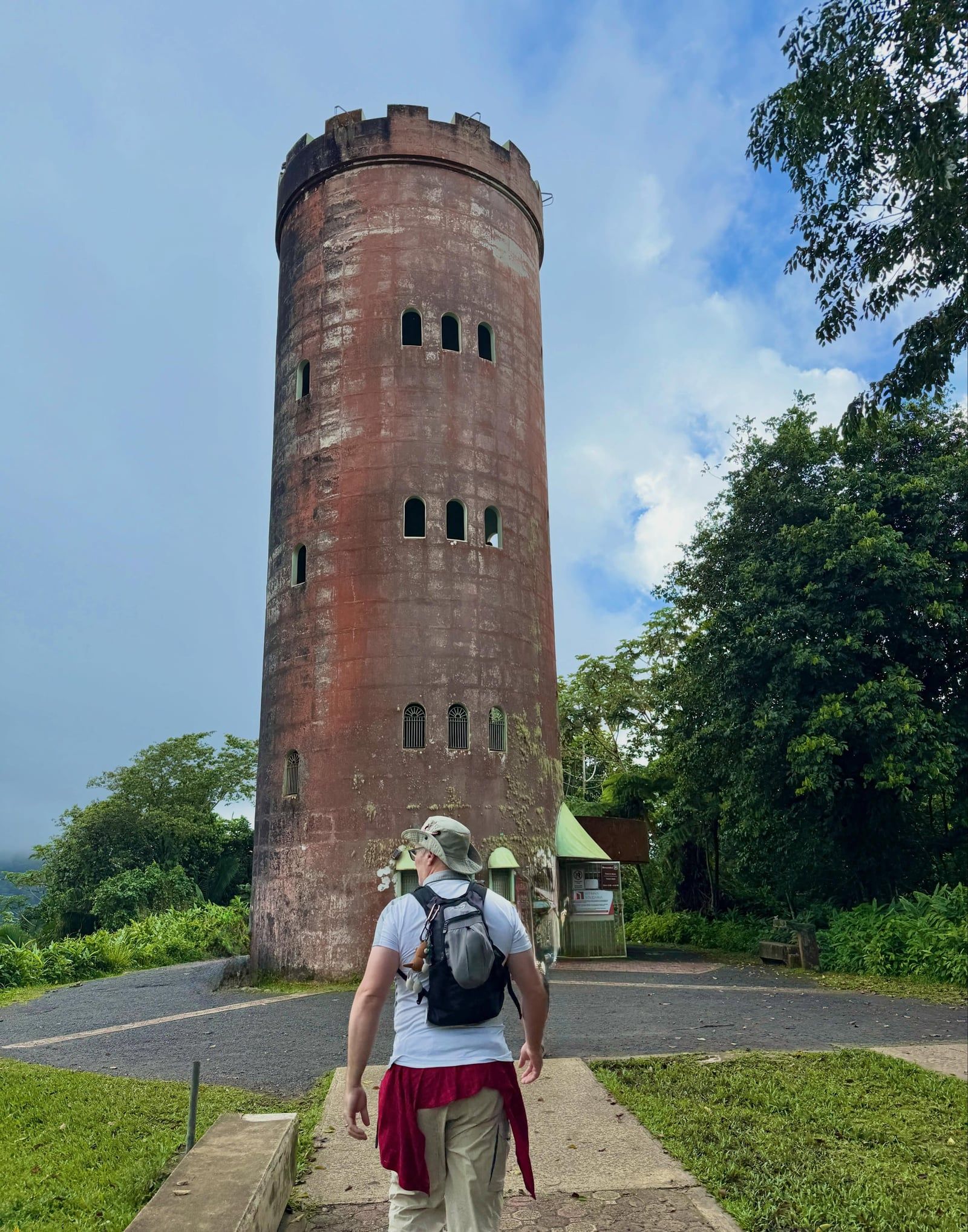
Ascend this historic stone structure to view the emerald-green rainforest canopy stretching toward Puerto Rico's northeastern coastline. The architecture honors the indigenous Taíno people who originally revered these peaks. At the top, you look across a landscape that receives over 100 inches of annual rainfall.
Walk this 1.7-mile roundtrip route through the misty cloud forest. The path winds upward to a scenic stone tower constructed in the 1930s. Standing at the peak, hikers look out over sharp mountain ridges and the distant Caribbean ocean while surrounded by some of the forest's 150 fern species.
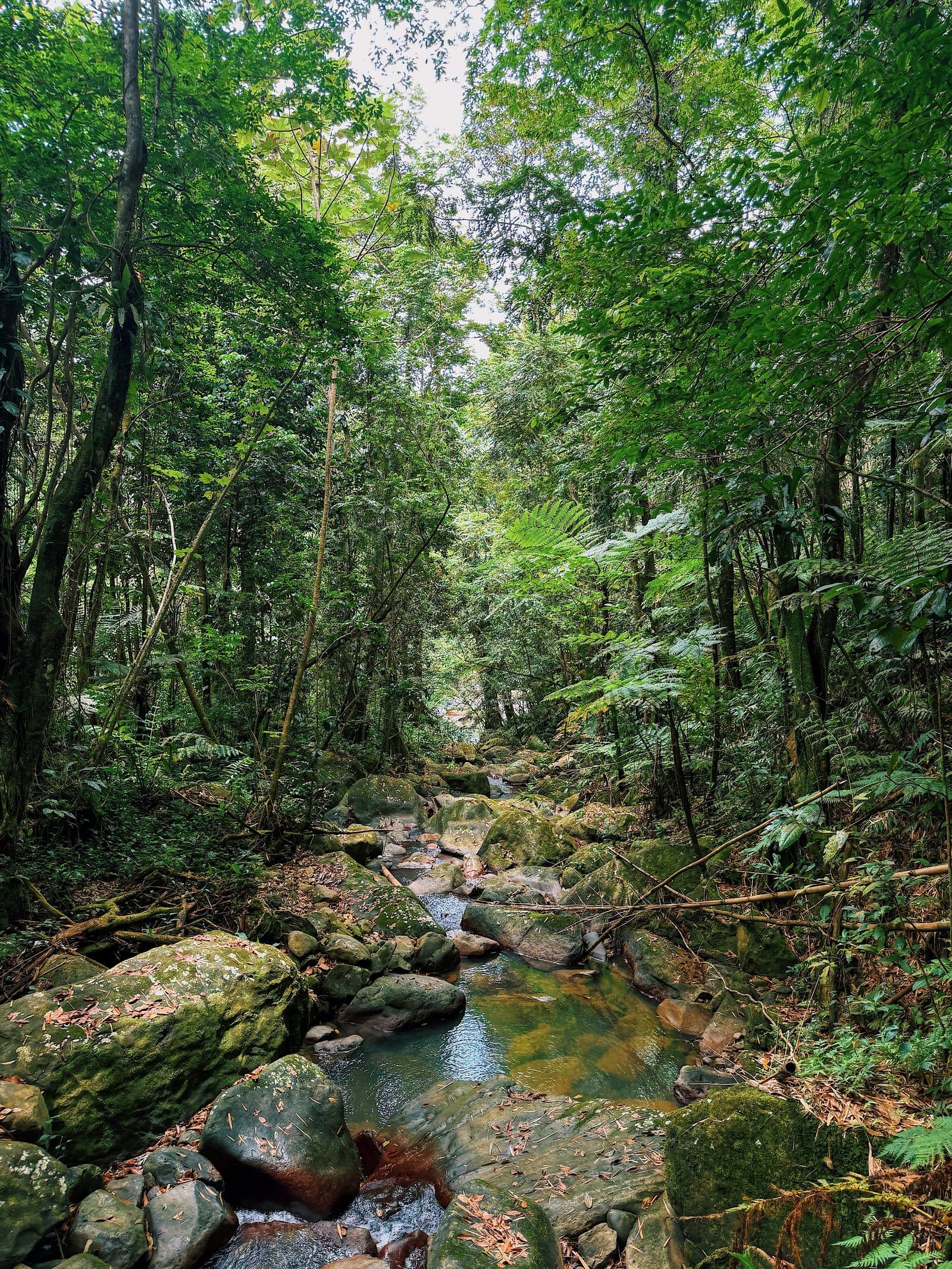
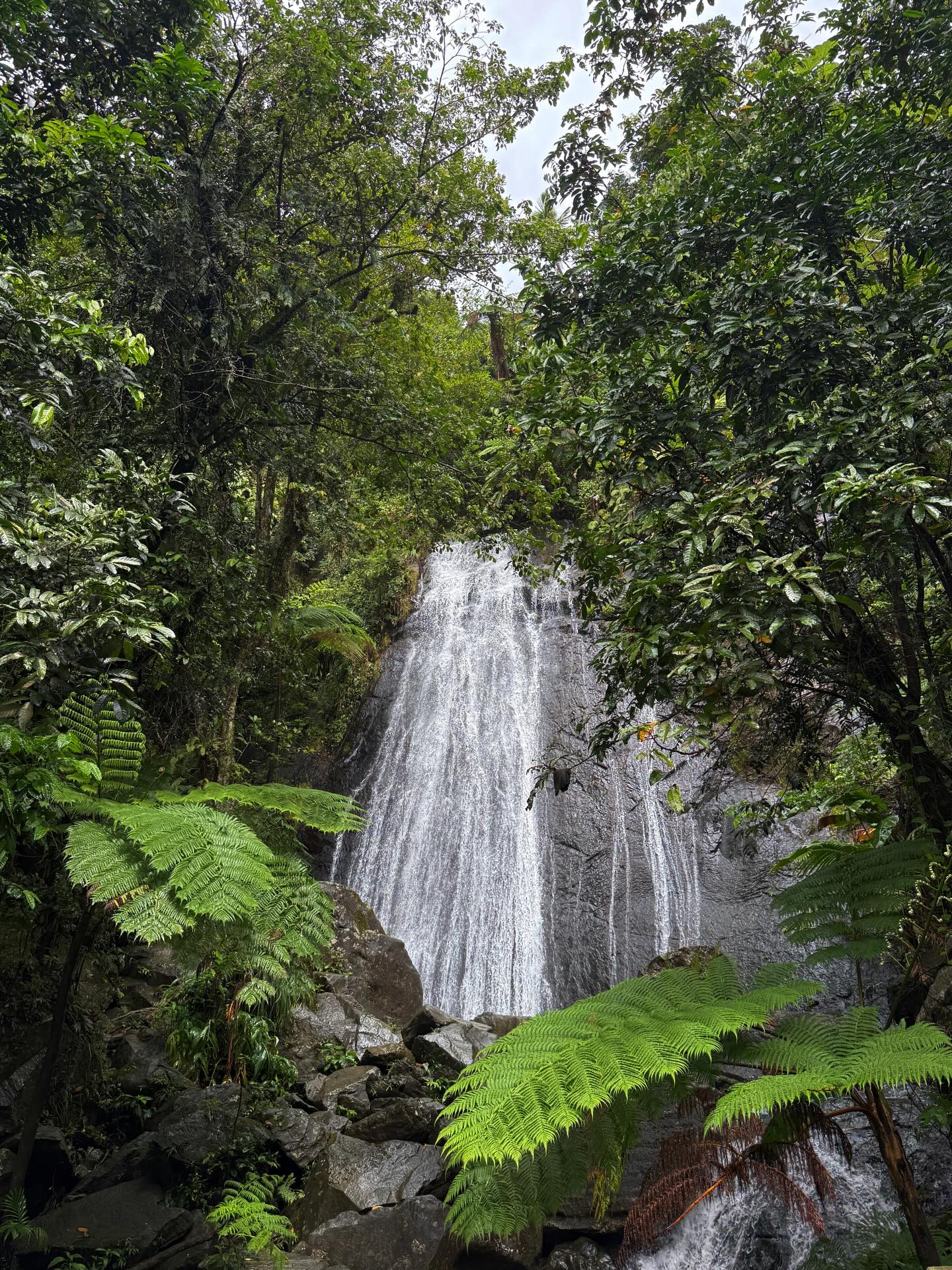
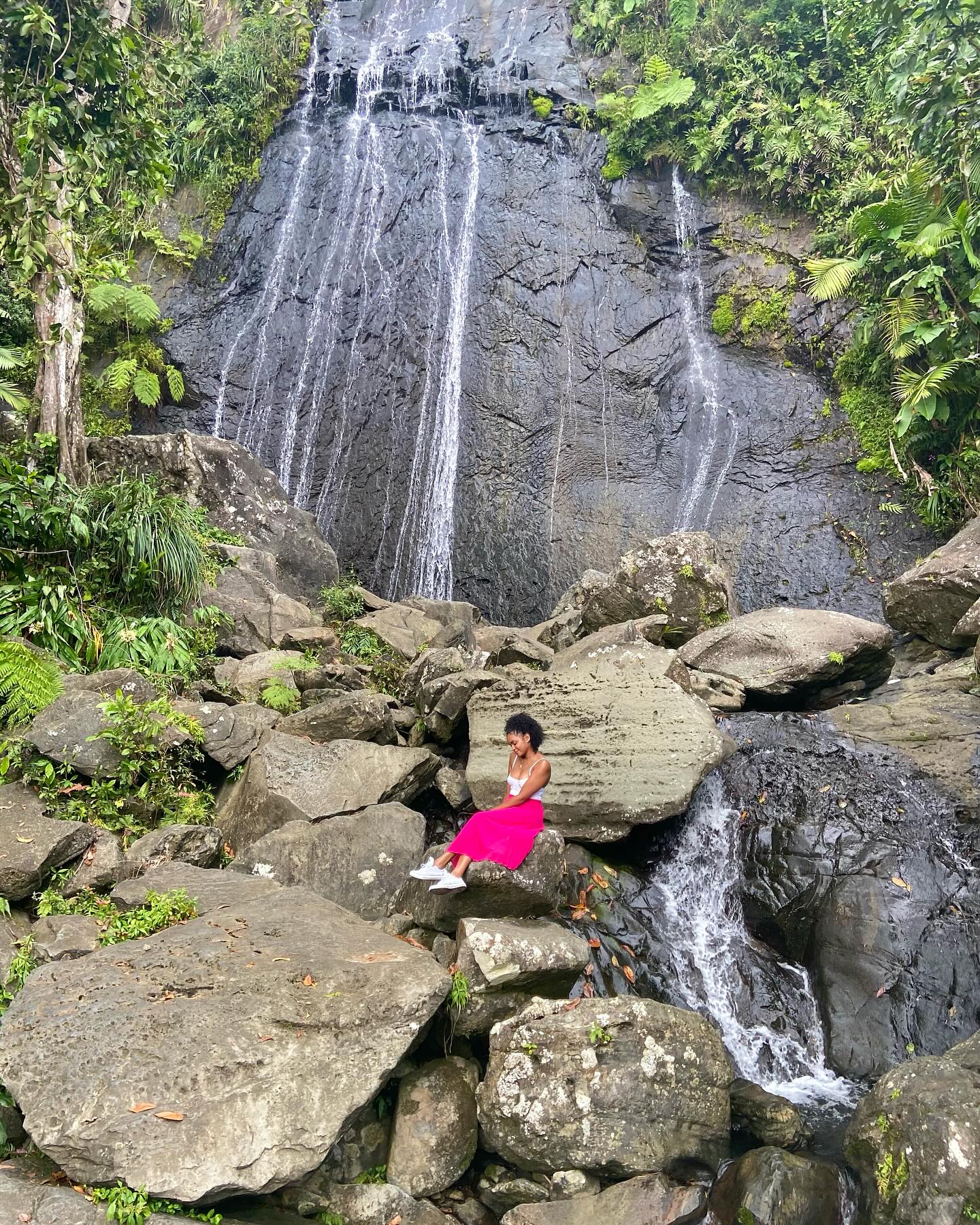
A brief, five-minute walk from the PR-191 trailhead leads directly to a series of secluded waterfalls. The cool pool at the base of the lower falls provides a safe spot to swim. You can relax in the water without needing to scramble over difficult, slippery rocks.
This 40,000-square-foot facility features sustainable open-air architecture that blends into the jungle. Visitors can walk the paved 700-meter Explore and Discover trail, view interactive exhibits, and watch an educational film narrated by Benicio del Toro. The entire center provides full ADA-compliant access for wheelchair users.
Hand-picked tours with free cancellation and verified reviews
 Free Cancellation 7h
  Free Cancellation 4h
  Free Cancellation
  Free Cancellation 6h
  Free Cancellation
  Free Cancellation 4h
  Free Cancellation 1h 30min
  Free Cancellation 5h
 The optimal time to visit El Yunque National Forest is during the peak dry season from December to April. Travelers will encounter cooler weather and lower precipitation, though high tourist demand requires arriving early or booking group reservations weeks in advance.
March and April provide excellent dry-season conditions with cooler temperatures. By May, the forest begins transitioning toward the lush season, increasing the frequency of sudden heavy afternoon showers.
The beginning of the hurricane season brings heavy rains. While the cascading waterfalls look spectacular, travelers face a high risk of tropical storms, flash floods, and sudden trail closures.
Falling squarely within the worst months to visit, this period contributes heavily to the forest's 100-plus inches of annual rainfall. Severe weather frequently causes dangerous landslides and road closures.
Winter offers the most reliable hiking conditions with cooler temperatures and minimal heavy rainfall. Because it is the peak dry season, expect high tourist volumes on the narrow trails.
The main recreational corridor and trails operate daily from 8:00 a.m. to 5:00 p.m., with gates on Route 191 North closing strictly at 5:00 p.m. The El Portal Visitor Center is open daily from 8:00 a.m. to 4:00 p.m., except for Thanksgiving, Christmas Day, New Year's Day, and Three Kings Day when it remains closed.
| Category | Price |
|---|---|
| Main Recreational Corridor (PR 191 North) | Free |
| El Portal Visitor Center - Adults (older than 16) | $8.00 |
| El Portal Visitor Center - Children (15 and under) | Free |
| El Portal Visitor Center - Interagency Pass Holders | $4.00 |
General entry operates on a first-come, first-served basis as the reservation system is currently suspended, though school groups must still obtain a reservation prior to visiting. Visitors must exit the recreation area before the 5:00 p.m. gate closure to avoid being locked inside and facing fines.
For complete schedules and ticket prices, visit our Hours & Fees page.
Reaching El Yunque National Forest requires traveling approximately 43 kilometers east from San Juan to the municipality of Río Grande. Visitors must use authorized road transport to access the main recreational corridor along Route PR-191.
📍 Route PR-191 North, Río Grande, Puerto Rico
From San Juan, drivers head east on Highway PR-26 and transition to PR-66. The route then connects to Route PR-191 south, leading straight to the main northern entrance in Río Grande. Renting a vehicle is the most highly recommended transportation method for visitors. It provides the necessary flexibility to navigate the winding mountain roads. Drivers can also park at various trailheads at their own pace.
Permitted tour operators provide guided transportation directly into the forest's recreational areas. Specialized accessible bus tours are also available for visitors, accommodating up to two wheelchairs per vehicle. These buses stop at accessible viewpoints like Baño Grande and the base of Yokahú Tower. Utilizing an authorized service ensures reliable pickup and drop-off within the strictly regulated forest boundaries.
Visitors can take a taxi or use apps like Uber to reach the forest entrance from San Juan. However, these services are not authorized to pick up passengers inside the PR-191 corridor. Travelers relying on rideshares face a severe stranding risk for their return trip. To avoid walking for hours to exit the restricted zone, visitors should secure alternative return transportation.
For detailed transport options and routes, visit our Directions page.
The main recreational corridor on PR-191 North operates on a first-come, first-served basis with no reservation required. Parking spaces fill up quickly, so arriving by 8:30 AM secures your spot and helps you avoid the midday heat. Early morning visitors also hear the native Coquí frogs more clearly.
Cellular service is highly unreliable throughout the 28,434-acre forest. Download a digital copy of the trail map to your smartphone before leaving your hotel. You can also take a quick photo of the physical maps located at the 40,000-square-foot El Portal Visitor Center for a reliable backup.
Renting a car in San Juan and driving 43 kilometers east is the most reliable transit method. Rideshare apps like Uber lack valid pick-up points inside the PR-191 recreational corridor. Drivers cannot collect you inside the park, which leaves unprepared visitors walking for hours to exit the forest.
The forest is currently undergoing reconstruction of its water system, meaning there is no publicly available potable water on the trails. The tropical climate causes rapid dehydration. Bring enough bottled water for your entire group or purchase supplies from authorized concession stands before starting your hike.
Forest personnel strictly enforce closing times across the entire park. The gates on Route 191 North lock promptly at 5:00 PM every evening. Ensure your vehicle is completely out of the La Mina Recreation Area and surrounding parking lots before this deadline to avoid being trapped and fined.
El Yunque receives an average annual rainfall exceeding 100 inches, making flash floods a constant hazard. Heavy precipitation causes river levels to rise rapidly without warning. If it starts raining heavily while you are swimming in areas like Juan Diego Falls, exit the water immediately and seek higher ground.
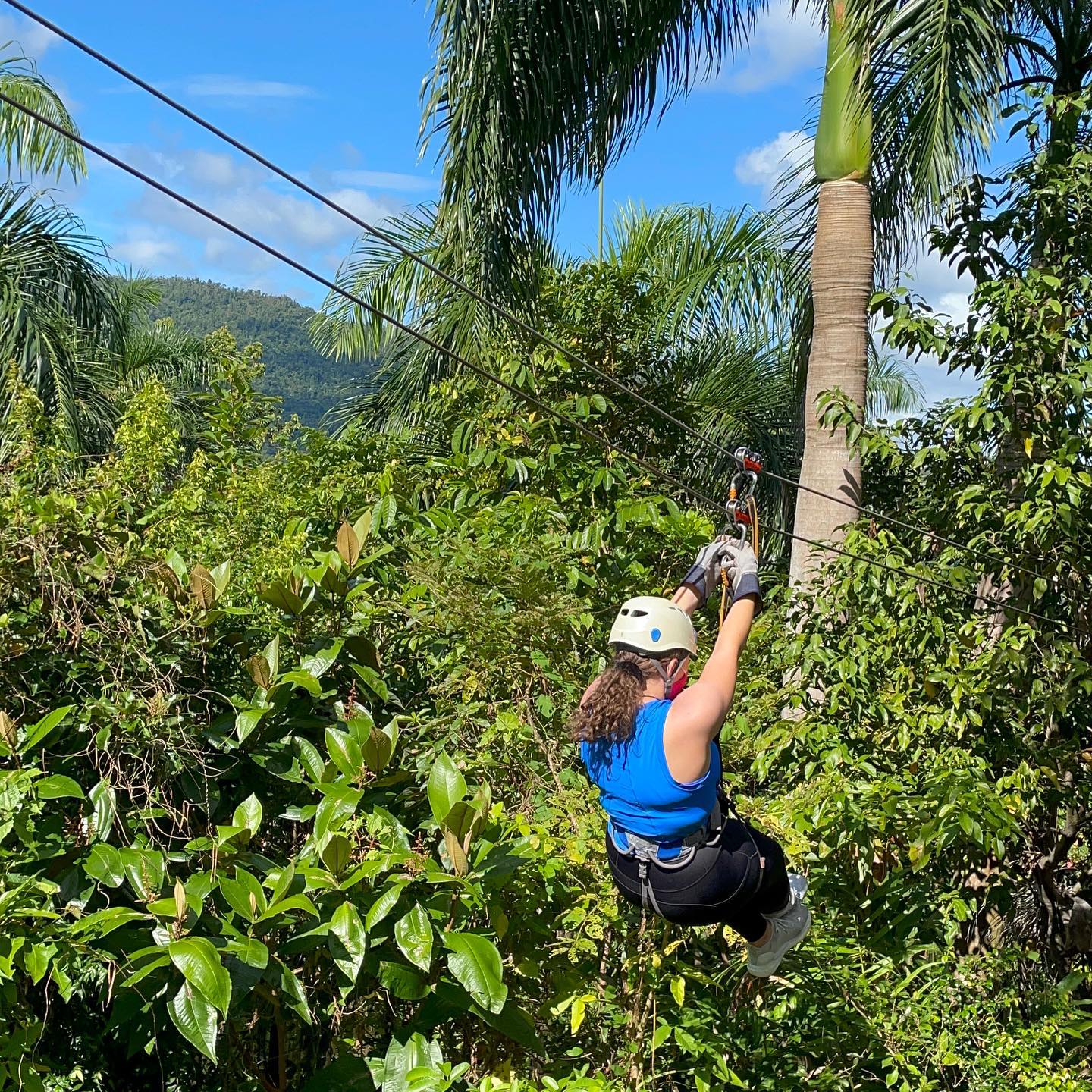
Located just outside the national forest boundaries in Luquillo, this aerial park provides an active alternative to hiking. Visitors ride multiple ziplines high above the tropical canopy to view the lush foothills.
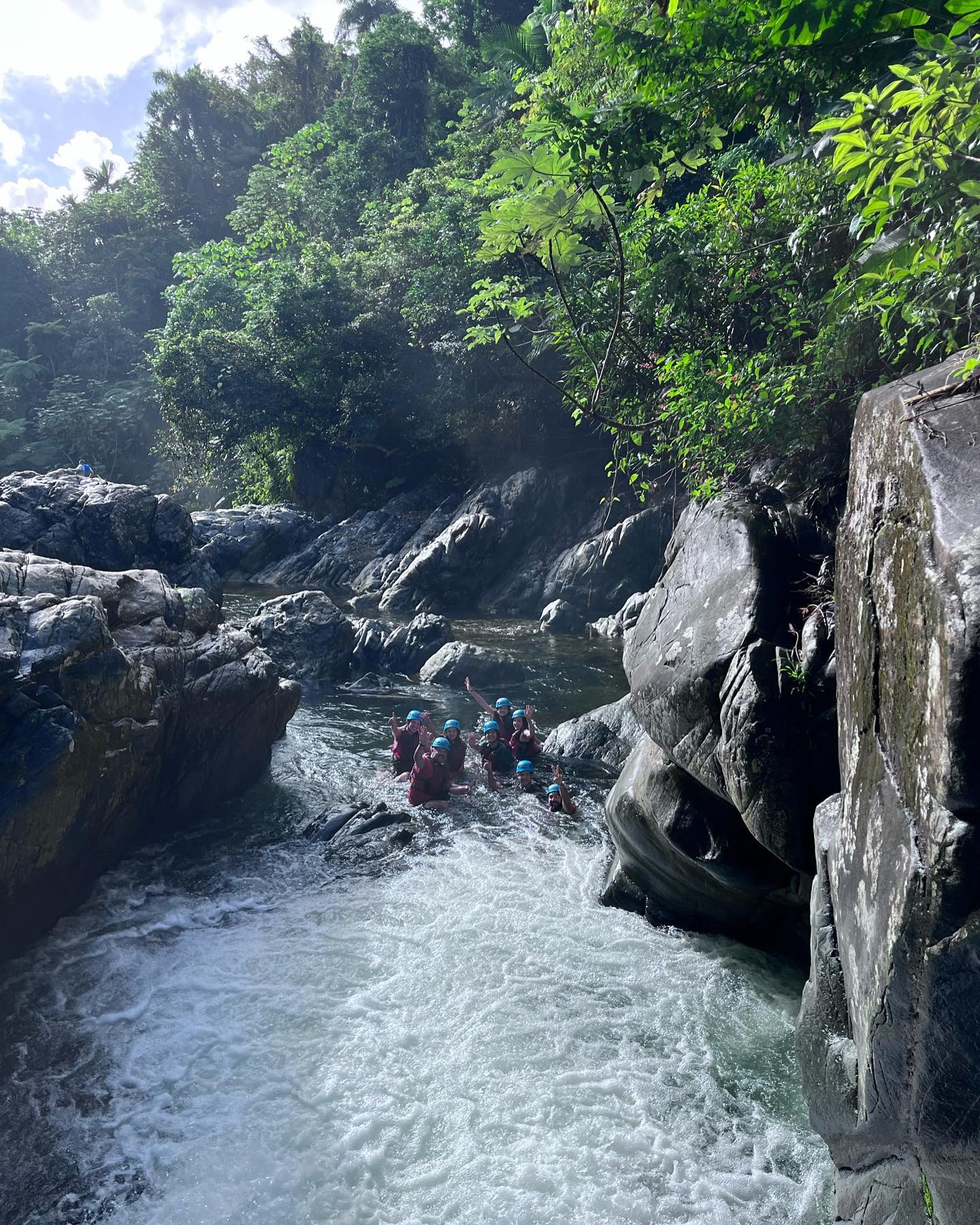
Situated along the Rio Pitahaya on the eastern side of the forest, this local river swimming hole features a smooth, natural rock formation. Visitors slide down the rocks, which function as a fast-paced waterfall waterslide.
Kayaking through the glowing waters of Fajardo provides a striking contrast to a daytime forest hike. Travelers can easily combine both sites to observe two of Puerto Rico's famous natural wonders in a single day.
Read what travelers share about their experience visiting El Yunque National Forest — from practical tips to personal highlights.

As of 2026, the general reservation system is suspended, and entry to the main PR-191 North corridor operates on a first-come, first-served basis. School groups are still strictly required to book in advance. Arrive early, as capacity is actively managed due to limited parking.
Entrance to the main recreational corridor and hiking trails is completely free. If you visit the El Portal Visitor Center, admission is $8.00 for adults over 16 and free for children 15 and under. Interagency pass holders pay a discounted rate of $4.00.
The main recreational corridor and trails are open daily from 8:00 a.m. to 5:00 p.m. The El Portal Visitor Center operates from 8:00 a.m. to 4:00 p.m. You must exit the La Mina Recreation Area and PR-191 corridor before the gates close promptly at 5:00 p.m. to avoid fines.
While an Uber can drop you off at the forest, rideshare apps do not have valid pick-up points inside the PR-191 recreational corridor. The recommended method is driving a rental car the 43 kilometers from San Juan, which takes about 45 minutes. Relying on an Uber for your return trip will likely leave you stranded.
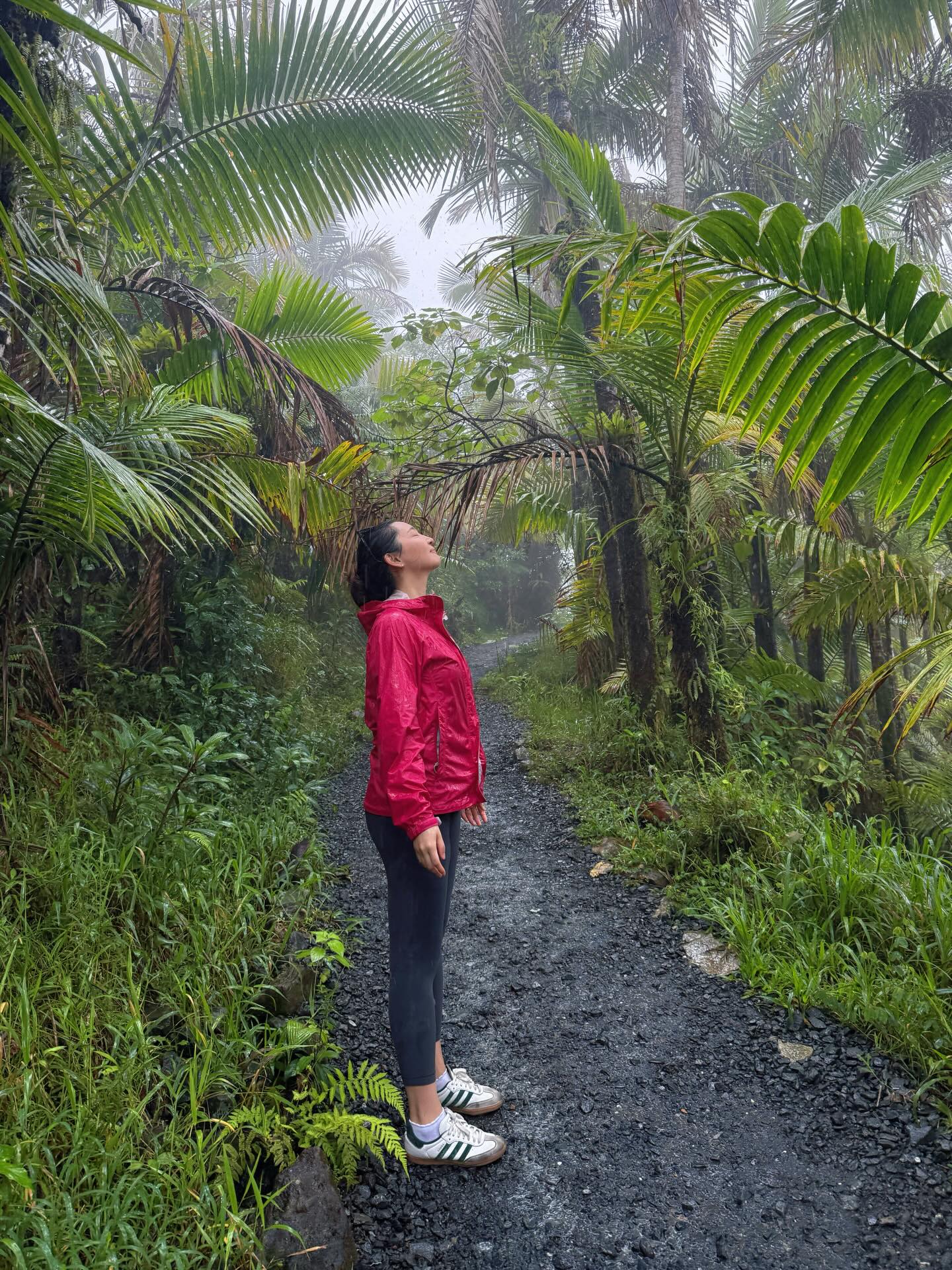
Bring your own drinking water, as there is no publicly available potable water inside the forest. You should also pack light rain gear for the average 100-plus inches of annual rainfall and wear sturdy, closed-toe shoes with good traction. A swimsuit and towel are recommended if you plan to swim in pools like Juan Diego Falls.
Yes, the El Portal Visitor Center features the fully ADA-compliant, paved 700-meter Explore and Discover trail. Specialized accessible bus tours are also available that accommodate up to two wheelchairs. These tours stop at accessible viewpoints including Baño Grande and the base of the Yokahú Observation Tower.
A typical visit lasts between 3 and 6 hours. A quick 3-hour itinerary allows you to see roadside attractions like La Coca Falls and Yokahú Tower. A full 6-hour day provides time to hike the 1.7-mile Mt. Britton Trail, swim in natural river pools, and tour the visitor center.
Flying drones is strictly prohibited in most areas of the forest, including the La Mina Recreation Area. Recreational photography is allowed without a permit for groups of five or fewer people using hand-carried equipment. Commercial filming requires a special use permit submitted at least two months in advance.
Browse verified tours with free cancellation and instant confirmation.
Find Tours